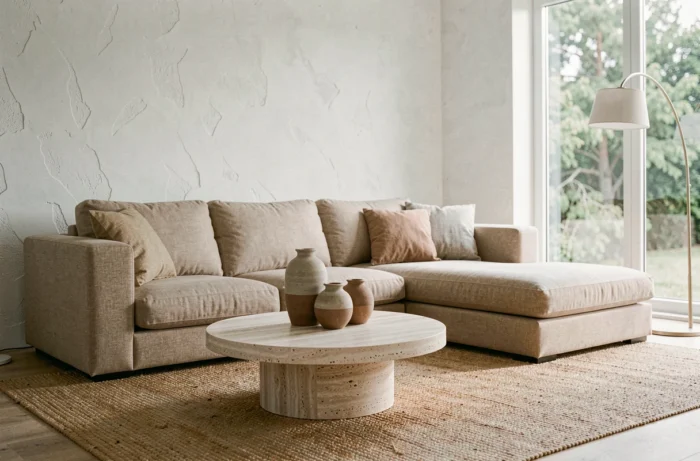
The interior design trends shaping homes in 2026 are no longer limited to choosing a wall color or sofa style. The furniture and home décor market is now being shaped by new requirements, driven by European ecodesign regulations and growing demand for durable pieces. This shift is changing purchasing criteria as much as the look and feel of living spaces.
Furniture repairability: a décor criterion that’s still underestimated
Most home décor guides focus on color palettes and styles. Few address a factor that nevertheless determines how long an interior will last: whether its furniture can be repaired or taken apart.
The European ESPR Regulation, which entered into force on 18 July 2024, provides for a gradual rollout by product category. The criteria under consideration for furniture cover durability, repairability, disassembly and product information. The precise content of future rules will depend on the European delegated act applicable to the sector.
In practice, this means that when choosing an armchair, table or lamp, it’s worth asking a few simple questions: Can the legs be replaced? Can the upholstery be changed? Does the light fixture take standard parts? Furniture that can be repaired stays in a home longer, and that lasting presence helps create a cohesive look throughout a space.
For anyone looking to discover Ambiance et Déco’s home décor trends, this approach to sustainability is reflected in a selection of pieces designed to last beyond a single season.
Earthy palettes and raw materials: what lies behind the trend
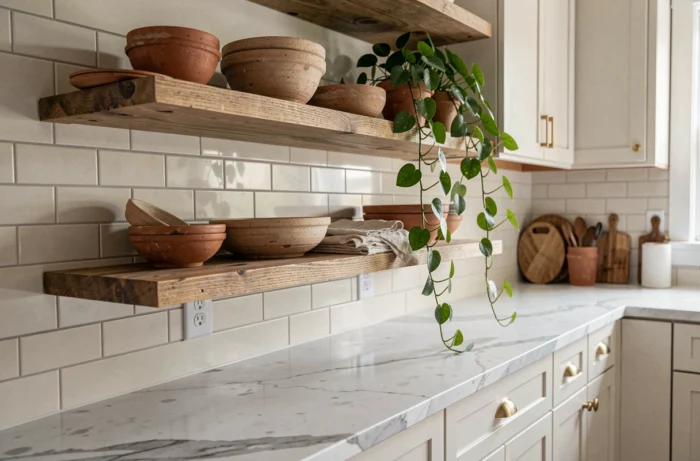
Earthy shades—clay, sand and terracotta—are dominating home décor forecasts for 2026. This shift in color is about more than aesthetics. It goes hand in hand with a change in the materials used to make furniture and finishes.
Why natural colors are taking over interior design
Natural pigments and matte finishes, often paired with these palettes, hide signs of wear better than white lacquered furniture. A clay-plastered wall ages without showing obvious marks, whereas glossy synthetic paint reveals every scuff. This practical detail partly explains the popularity of earthy tones in high-traffic living spaces.
Raw wood, linen, stone and porcelain stoneware share this quality: their natural patina becomes a decorative asset over time. Smooth synthetic materials, by contrast, lose their new look without gaining any character.
Natural materials and everyday care
Using raw materials in your home décor means accepting certain trade-offs. Untreated solid wood can mark, linen wrinkles, and porous stone absorbs stains. These limitations are rarely mentioned in inspiration articles that focus solely on celebrating the look of natural materials.
A few things to check before investing in furniture made from natural materials:
- The surface treatment used (oil, wax or matte varnish) and how often it needs to be reapplied, which varies depending on the type of wood or stone
- Whether the material suits its intended use: an untreated marble tabletop in a family kitchen can cause practical problems that porcelain stoneware, which is more resistant to acids, avoids
- Whether replacement parts are available, particularly for seats made from woven natural fibers, which wear out faster than the furniture frame
Digital product passports: how traceability is changing home décor
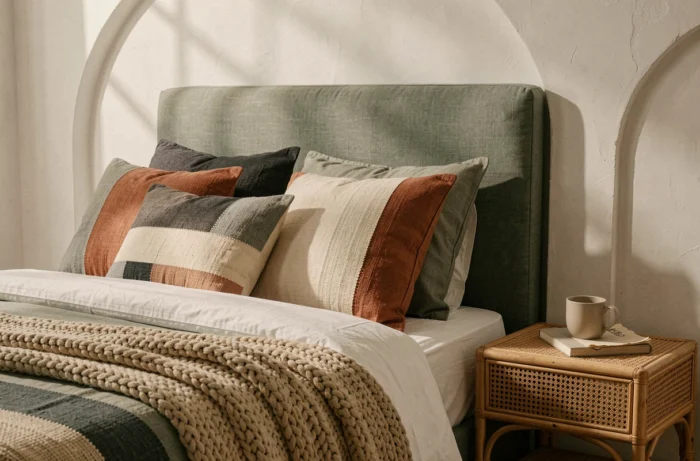
The digital product passport, provided for under the ESPR, is designed to give people access to information about an item’s composition, durability and repair instructions. Its application to furniture will depend on the relevant delegated act, but the principle is already changing how some manufacturers communicate.
Buyers will be able to check a piece of furniture’s exact composition before purchasing it. This transparency makes misleading labels harder to get away with—for example, selling a thin veneer as “solid wood.” For interior design, this means material choices will be better informed, and a piece of furniture’s traceability may carry as much weight as its design in the purchasing decision.
Choosing a décor style that lends itself to repair—modular furniture, solid wood frames and seating with removable covers—is no longer just an aesthetic choice; it’s an economic one too.
Home décor trends for 2026: choices that last beyond the season
Trends that endure for several years have one thing in common: they rely on materials whose quality stands the test of time, rather than on a fleeting visual effect.
Three current home décor directions share this long-lasting quality:
- Furniture with curved, flowing lines that doesn’t depend on a trendy color and works with different palettes from season to season
- Artisanal pieces in ceramic, turned wood or forged metal, whose intentional imperfections make each object unique and hard to date
- Large-format porcelain stoneware, used for both flooring and countertops, which combines mechanical strength with a variety of looks, including stone, concrete and wood
A common mistake is to redo an entire room just to follow a trend. Changing the textiles, lighting and a few decorative objects is enough to refresh a space without replacing the key furniture. This layered approach protects your initial investment while still allowing your style to evolve over time.
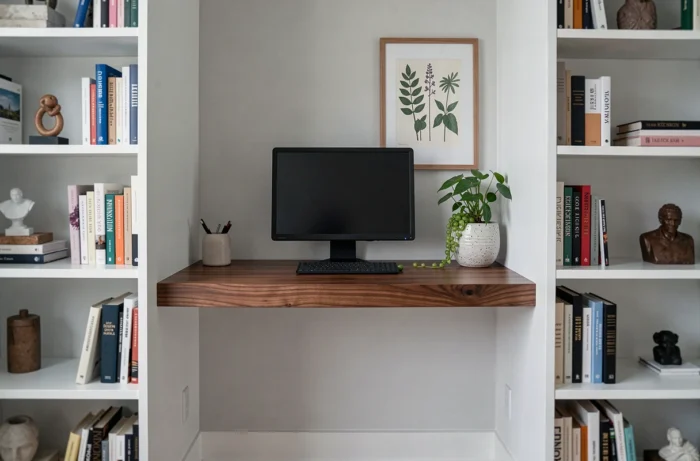
The home décor trends of 2026 make more sense when you look beyond the surface of inspiration images. European ecodesign regulations, the growing importance of traceability and the return of raw materials are shaping interiors where furniture durability is a style criterion in its own right. The next piece of furniture you choose may matter as much for its specifications as for its silhouette.