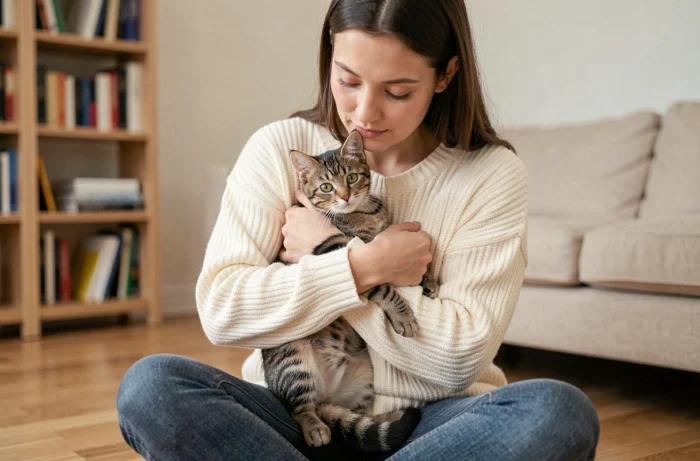
French shelters took in about 280,000 cats in 2025, according to a study by the SPA and the Affinity Foundation published on September 23, 2026. More than 45,000 additional cats could not be accommodated due to lack of space. Adopting a cat, in this context, is as much a personal choice as it is a response to the structural saturation of associations. This guide provides concrete guidelines to prepare for this adoption without improvisation.
Neutering and uncontrolled breeding: the upstream cause of abandonment
Most adoption guides treat neutering as a post-adoption formality. However, the problem arises well before the cat arrives in a home. In its report published on September 10, 2026, the SPA directly links part of the increase in summer arrivals to uncontrolled breeding of cats.
An unspayed female cat can give birth several times a year. Unwanted litters contribute to the flow of animals into already saturated facilities. Discussing neutering with a veterinarian, taking into account the age and health of the animal, is a collective preventive measure, not just an individual choice.
For those considering adopting an already neutered adult cat, it is possible to consult the adopcje.org website to identify available animals in partner shelters. The profiles usually indicate vaccination status and neutering.
Adult cat or kitten: what shelters really expect
Kittens are adopted quickly. Adult cats stay for a long time. This discrepancy between the demand from adopters and the reality of shelter residents is documented: cats represent the majority of animals taken in after abandonment, and among them, adults are overrepresented.
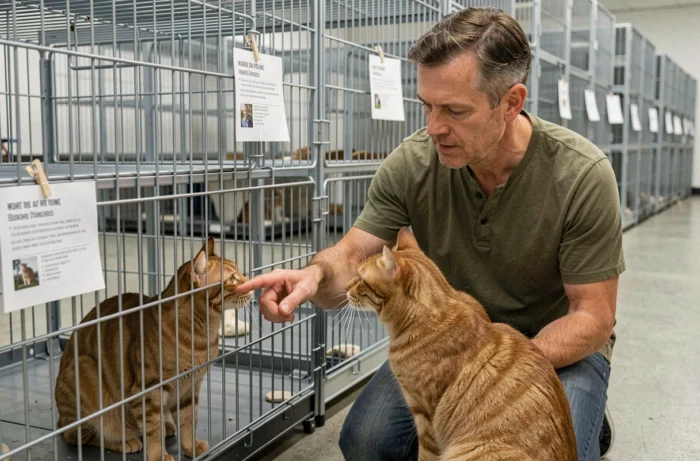
Adopting a kitten meets a legitimate desire, but does not correspond to the primary need of the facilities. A three or five-year-old cat offers concrete advantages for the adopter.
- Its character is already formed: you know if the animal is sociable, calm, or playful before signing the adoption contract.
- The initial veterinary care (first vaccination, neutering) is often already completed by the shelter, reducing entry costs.
- Adaptation to an apartment or indoor life is more predictable in an adult cat than in a kitten whose temperament is still evolving.
Field reports vary on the ability of an adult cat to bond with a new home. Most associations report successful adaptations within a few weeks, provided a calm transition period is respected.
Legal reflection period and commitment certificate: the regulatory framework
Adopting a cat is subject to a seven-day legal reflection period. The commitment and knowledge certificate must be issued at least seven days before the transfer of the animal, including when it is given for free. This rule applies to shelters, associations, and individuals.
This certificate certifies that the future adopter is aware of the physiological and behavioral needs of the cat. It mentions the foreseeable costs related to the care of the animal. The goal is to reduce impulsive adoptions, identified as one of the direct causes of returns to shelters.
In practice, some associations also require a prior home visit or a phone interview. These procedures, sometimes perceived as burdensome, serve as a filter. They protect both the animal and the adopter from lifestyle incompatibility.
Documents required for adoption
Shelters generally request an ID, proof of residence, and the signed commitment certificate. The financial contribution varies by organization and generally covers the veterinary costs already incurred (identification by microchip, vaccinations, neutering if applicable).
Preparing the home before the cat’s arrival: litter box, kibble, resting areas
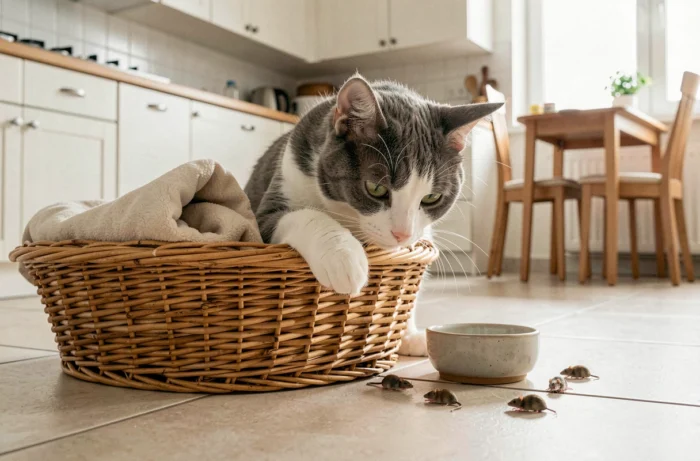
A cat explores its new environment in stages. Allowing access to the entire home from day one can generate stress. The method recommended by most veterinarians is to limit the space to one room for the first few days, with the litter box, food bowl, and water point placed at a distance from each other.
The placement of the litter box deserves special attention. A box located too close to food or in a noisy passage area can lead to refusal to use it. Prefer a quiet, permanently accessible location, cleaned daily.
For feeding, the choice between kibble and wet food depends on the age and health of the animal. However, a sudden change in diet often causes digestive issues. If the shelter indicates the brand of kibble used, maintain it for at least two weeks before any gradual transition.
- Provide a scratching post or cat tree: without an appropriate surface, the cat will use the furniture.
- A high point (shelf, top of an accessible cabinet) offers the cat a retreat area that reduces its anxiety.
- Windows without protective nets pose a real danger: falls from a height are a frequent cause of veterinary emergencies.
Health of the adopted cat: the first veterinary appointments
Even if the shelter has conducted a health assessment, a visit to the veterinarian within two weeks of adoption is recommended. This appointment allows for checking the overall condition of the animal, updating the vaccination record, and discussing the worming schedule appropriate for the cat’s age.
For a kitten, the first vaccination usually starts around two months of age. A kitten should not be adopted before this age, as behavioral weaning is not yet complete. The available data do not allow for setting a universal ideal age for adopting an adult cat, but associations evaluate the socialization of each animal on a case-by-case basis.
The question of pet health insurance also arises. Plans vary significantly from one insurer to another, and some exclude pre-existing conditions. Reading the general conditions before subscribing avoids unpleasant surprises during an expensive consultation.
Adopting a cat commits you for a duration that can exceed fifteen years. Shelters are saturated, adult cats are waiting, and the regulatory framework imposes a reflection period for good reasons. Preparing your home and anticipating veterinary expenses remains the best way to turn this adoption into a lasting cohabitation.